Digitalisation & Business Transformation

Document Digitisation & Records Management

Turn paper archives and uncontrolled file shares into organised, searchable records, with retention rules, access control and a chain of custody you can evidence.

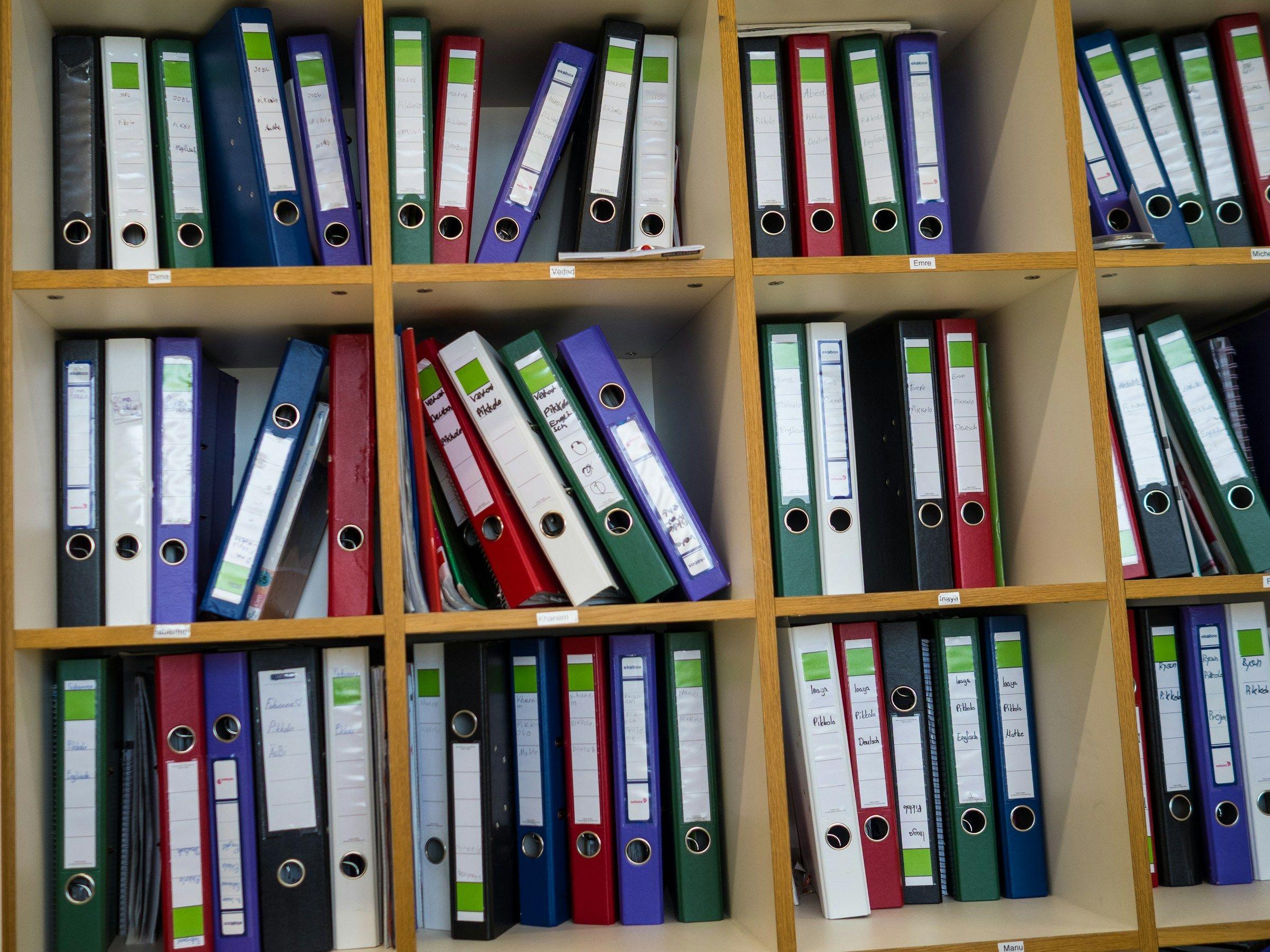
Archive shelving filled with binders and folders awaiting digitisation

The business need

Why organisations ask for this

Boxes of contracts, drawings, HR files and correspondence take up space, are slow to search and are at risk of loss. When an auditor, a client or a court asks for a record, finding it takes days.

Digital files are not automatically better. Without a file plan, naming rules, metadata and retention schedules, shared drives become digital versions of the same problem, and personal data is kept far longer than necessary.

Service objectives

  • Know what records you hold, where, and why you keep them.
  • Digitise priority collections to a defined quality and indexing standard.
  • Store records in a controlled repository with appropriate access.
  • Apply retention and disposition rules consistently and defensibly.

Key activities

What we do

  1. 01

    Inventory and design

    • Survey physical and digital collections, volumes and condition
    • Design the file plan, metadata and access model
    • Draft the retention schedule framework for approval
  2. 02

    Digitise

    • Prepare records (de-stapling, sorting, logging)
    • Capture images to the agreed specification, with OCR and indexing
    • Quality-check samples against the specification and correct errors
  3. 03

    Store and govern

    • Ingest into the repository with metadata and retention labels
    • Apply access permissions and audit logging
    • Return, store or dispose of originals as you instruct, with a record of each step

Scope of service

What is included

  • Records inventory and risk assessment
  • File plan (classification scheme), metadata model and naming conventions
  • Retention schedule framework for confirmation by your organisation and advisers
  • Digitisation specification: resolution, file formats, OCR, indexing fields and quality checks
  • Chain-of-custody procedure for physical records
  • Repository configuration on your platform: structure, permissions, search, retention labels
  • Digitisation pilot and quality review; planning for rollout

Not included

  • Deciding legal retention periods (confirmed by your organisation and its advisers)
  • Physical destruction of records except on your written instruction and through an appropriate provider

Delivery methodology

How the engagement runs

Each stage maps to the Marfaq Method and ends with a defined output.

  1. 01

    Understand

    Agree collections in scope and the drivers (space, audit, retrieval, compliance).

    Output: Scope and priorities

  2. 02

    Assess

    Inventory volumes, condition, sensitivity and current storage.

    Output: Records inventory and risk assessment

  3. 03

    Design

    Design the file plan, metadata, retention framework and digitisation specification.

    Output: Records management design

  4. 04

    Implement

    Pilot digitisation and repository configuration, then rollout.

    Output: Indexed digital records

  5. 05

    Verify

    Quality checks, retrieval tests and chain-of-custody review.

    Output: Quality and custody records

The records lifecycle

Select a stage to see the controls that make digital records reliable.

Capture

  • Scanning to an agreed specification
  • OCR and indexing fields checked by sampling
  • Chain-of-custody log for physical records

The illustration separates the capture station into its layers: document feeding, imaging with OCR, and indexing with quality control.

Text version
  1. Inventory: Record types, volumes and condition logged; Sensitivity and retention status identified.
  2. Capture: Scanning to an agreed specification; OCR and indexing fields checked by sampling; Chain-of-custody log for physical records.
  3. Classify: File plan and mandatory metadata applied; Naming conventions enforced.
  4. Store: Role-based access in the repository; Audit log of access and changes.
  5. Use: Search and retrieval by authorised users; Versions controlled and originals protected.
  6. Retain: Retention label applied at capture; Legal hold where required.
  7. Dispose or archive: Disposition approved and recorded; Long-term preservation formats for permanent records.

Technical basis

Standards, rules and frameworks

We state how each reference applies: law, mandatory for specific entities, certifiable standard, guidance, voluntary framework or method.

  • ISO 15489-1:2016 Records management: Concepts and principles

    Guidance standard (not certifiable)

    Principles for records creation, capture and management used as the design basis.

  • ISO 30301:2019 Management systems for records

    Certifiable requirements standard

    Optional, for organisations wanting a formal management system for records.

  • Data protection law in each jurisdiction (for example Qatar Law No. 13 of 2016, UK GDPR and Data Protection Act 2018, Nigeria Data Protection Act 2023)

    Law or regulation

    Applies where personal data is processed. Your organisation determines its obligations with its advisers, and our designs apply the agreed controls.

Typical deliverables

What you receive

  • Excel

    Records inventory

    What you hold, where and in what condition

  • Excel / Word

    File plan and metadata model

    Consistent classification and search

  • Excel

    Retention schedule framework

    Retention rules for your approval

  • Word

    Digitisation specification and QC procedure

    Defined quality and indexing standard

  • Forms / log

    Chain-of-custody records

    Evidence of handling at every step

  • On your platform

    Configured repository

    Controlled, searchable storage

Working together

Inputs, outcomes and boundaries

What we need from you

  • Access to records and a secure working area or agreed transfer arrangements
  • Decisions on retention periods and disposal
  • Licensed repository platform
  • A records owner for approvals

Expected outcomes

  • Records retrievable in minutes rather than days
  • Retention applied consistently
  • Reduced storage space and risk of loss

Intended outcomes of a well-run engagement, not guaranteed results.

Responsibility boundaries

  • Processing location, storage and transfer arrangements are agreed in writing before work begins.
  • We do not determine legal retention periods.
  • Scanning capacity and turnaround are confirmed for each engagement after the inventory, not promised in advance.
Our independence statement

Questions

Frequently asked questions

How long does digitisation take?

It depends on volume, document condition and indexing depth. After the inventory and a pilot we give you a measured estimate rather than a generic figure.

Where are our documents processed?

This is agreed with you before work starts and recorded in the engagement terms, including storage, transfer and return of originals.

Can digitised records be used as evidence?

Good capture specifications, quality control, metadata and chain-of-custody records support reliability. Admissibility in a particular proceeding is a legal matter for your advisers.

Content last reviewed: 23 November 2026.

Related services

Often combined with

Digitalisation & Transformation overview

Digitalisation & Transformation

Workflow Digitalisation & Automation

Move approvals and requests out of inboxes and onto controlled digital workflows with clear routing, segregation of duties and a complete audit trail.

ISO Management Systems

Integrated Management Systems

Run one management system for quality, environmental, health and safety, and energy management, with shared processes, one set of core documents and combined audits.

Tendering & Procurement

Bid Management & Coordination

Keep every live tender under control, from deadlines, clarifications, addenda and versions to the final upload, so your experts can concentrate on content.
Performance analytics dashboard displayed on a laptop

Start a conversation

Request a records assessment

Tell us about your situation. We will reply with questions, a proposed approach and what we would need from you.